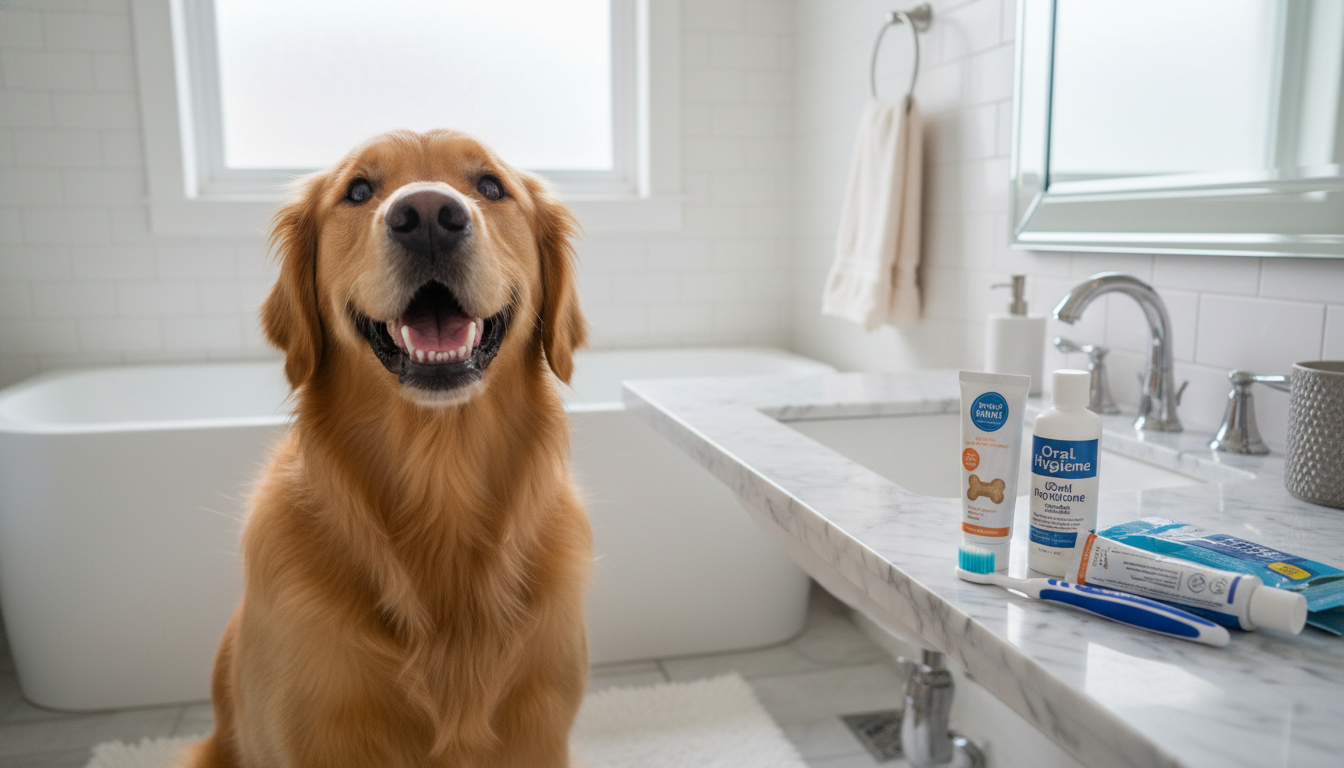
Dental disease is one of the most common health problems in dogs, affecting an estimated 80 percent of canines by the age of three. Tartar buildup, also known as dental calculus, forms when plaque mineralizes on the tooth surface and begins to push below the gumline, leading to inflammation, pain, and eventually tooth loss. The good news is that a quality dog toothpaste used as part of a regular brushing routine can significantly slow tartar accumulation and help keep your dog's mouth healthy between professional cleanings.
In this guide, we compare the top enzymatic and tartar-control toothpastes available for dogs. We break down their active ingredients, flavor options, and overall effectiveness so you can choose the right product for your pet's needs and preferences.
Why Tartar Removal Matters for Dogs
Tartar is more than a cosmetic concern. When plaque hardens into calculus on your dog's teeth, it creates a rough surface that attracts even more bacterial buildup. Over time, this leads to gingivitis, the first stage of periodontal disease. Left untreated, periodontal disease progresses beneath the gumline, destroying the bone and tissue that support the teeth. Advanced cases can result in painful tooth extractions and have been linked to systemic health issues affecting the heart, kidneys, and liver.
Regular brushing with a dog-specific toothpaste is the single most effective at-home method for controlling plaque before it becomes tartar. Unlike human toothpaste, which contains fluoride and foaming agents that are harmful if swallowed, dog toothpastes are formulated to be safe for ingestion and often include enzymatic ingredients that continue working after brushing to break down bacterial film.
If your dog already has significant tartar buildup, a professional dental cleaning by your veterinarian is the only way to remove it. Toothpaste is a preventive tool, not a treatment for existing calculus. However, consistent brushing after a professional cleaning is the best way to extend the results and delay the need for future procedures. If cost is a concern, a pet insurance plan that covers dental cleanings can help offset the expense.
How Enzymatic Dog Toothpaste Works
Most veterinarian-recommended dog toothpastes are enzymatic formulas. These products contain enzyme systems, most commonly the glucose oxidase and lactoperoxidase system, that generate natural antimicrobial agents when they come into contact with saliva. The enzymes produce hydrogen peroxide in small, safe quantities that inhibit the growth of harmful oral bacteria responsible for plaque formation.
The advantage of enzymatic toothpaste is that it continues to work even after you finish brushing. As the enzymes remain active in your dog's mouth, they provide ongoing protection against bacterial colonization. This is particularly helpful for dogs who do not tolerate extended brushing sessions, since even a brief application delivers meaningful benefits.
Some formulas also include abrasive particles such as hydrated silica that provide a gentle mechanical cleaning action during brushing. Others incorporate baking soda or zinc compounds for additional odor control. The best products combine enzymatic action with mild abrasives to address both the biological and physical aspects of plaque and tartar formation.
Top Dog Toothpastes for Tartar Compared
We evaluated the most popular dog toothpastes based on their active ingredients, flavor acceptance, veterinary recommendations, and overall value. Here is how the leading products compare.
| Product | Type | Key Ingredient | Flavor Options | Price | Best For |
|---|---|---|---|---|---|
| Virbac CET | Enzymatic | Dual-enzyme system | Poultry, Vanilla-Mint, Malt, Beef | $$ | Overall best pick |
| Petsmile Professional | VOHC Accepted | Calprox (calcium peroxide) | London Broil, Rotisserie Chicken | $$$ | Clinically proven results |
| Arm & Hammer | Enzymatic + Baking Soda | Baking soda + enzymes | Beef, Chicken, Peanut Butter, Vanilla | $ | Budget-friendly option |
| Vet's Best | Enzymatic Gel | Neem oil + enzymes | Natural flavor | $ | Natural ingredient seekers |
| Nylabone Advanced Oral Care | Tartar Control | Denta-C (Vitamin C) | Peanut Butter | $ | Picky eaters |
All of these products are widely available through veterinary clinics, pet supply stores, and online retailers. Prices may vary by region, so we recommend comparing current listings before purchasing. For a broader look at dental care options beyond toothpaste, visit our dental health products guide.
Detailed Product Reviews
Virbac CET Enzymatic Toothpaste
Virbac CET is the most widely recommended dog toothpaste by veterinarians in the United States and has earned its reputation through decades of consistent performance. The dual-enzyme system (glucose oxidase and lactoperoxidase) works with your dog's saliva to create a natural antibacterial defense that inhibits plaque-forming bacteria. The poultry flavor is by far the most popular among dogs, though it is available in several other flavors for picky eaters. The paste has a smooth, spreadable consistency that clings well to toothbrush bristles without being overly gritty. This is the product we recommend as a starting point for most dog owners establishing a brushing routine.
Petsmile Professional Dog Toothpaste
Petsmile holds the distinction of being the only dog toothpaste to earn the Veterinary Oral Health Council (VOHC) Seal of Acceptance for plaque control when used without brushing. Its active ingredient, Calprox (a stabilized form of calcium peroxide), dissolves the protein pellicle that plaque bacteria attach to, rather than simply abrading the tooth surface. Clinical studies have demonstrated measurable plaque reduction with Petsmile compared to brushing alone. The downside is the higher price point, but for owners who want the strongest evidence-based option, Petsmile stands apart. It comes in two palatable flavors that most dogs accept willingly.
Arm & Hammer Complete Care Enzymatic Toothpaste
Arm & Hammer brings their well-known baking soda expertise to the pet dental care space. Their enzymatic dog toothpaste combines a standard enzyme system with baking soda for enhanced freshening and mild abrasion. The baking soda helps neutralize odor-causing acids in the mouth, which can make a noticeable difference for dogs with bad breath. This product offers excellent value for the price and is one of the most accessible options in terms of both availability and cost. The multiple flavor options give you flexibility if your dog rejects one variety. It is a solid everyday option for owners who want reliable performance without premium pricing.
Vet's Best Enzymatic Dog Toothpaste
Vet's Best takes a more natural approach to canine dental care. Their gel-style toothpaste combines enzymatic action with neem oil and aloe, both of which have been studied for their antimicrobial and soothing properties. The gel texture spreads easily and some dogs seem to prefer it over thicker paste formulations. This product is a good fit for owners who prioritize natural and plant-derived ingredients in their pet care products. While it lacks the clinical validation of Petsmile, many users report positive results with consistent use, including fresher breath and reduced visible plaque.
Nylabone Advanced Oral Care Tartar Control Toothpaste
Nylabone's toothpaste takes a different approach by focusing on Denta-C, a proprietary vitamin C compound that the company says helps reduce bacteria that contribute to tartar formation. The peanut butter flavor is highly palatable and can be an excellent choice for dogs who refuse other toothpaste flavors. At a lower price point, this product provides a cost-effective entry into regular brushing. While the clinical evidence behind Denta-C is less extensive than for traditional enzymatic systems, many pet owners find it effective as part of a consistent brushing routine.
How to Brush Your Dog's Teeth Effectively
Having the right toothpaste is only half the equation. Technique and consistency matter just as much. Here are the key steps for an effective brushing routine.
- Start slow: If your dog is not used to having their mouth handled, spend several days simply lifting their lips and touching their gums with your finger before introducing a toothbrush.
- Let them taste the toothpaste: Put a small amount on your finger and let your dog lick it. Most dogs enjoy the flavor, which creates a positive association with the process.
- Use the right brush: A finger brush works well for small dogs and beginners. A long-handled brush with soft bristles angled at 45 degrees is better for reaching the back teeth of larger dogs.
- Focus on the outer surfaces: The outer (cheek-side) surfaces of the teeth accumulate the most plaque. You do not need to brush the inner surfaces, as your dog's tongue does a reasonable job of keeping those areas cleaner.
- Brush for two minutes: Aim for about 30 seconds per quadrant of the mouth. Use gentle circular motions along the gumline where plaque tends to concentrate.
- Reward afterward: Always end the session with praise, a treat, or play to reinforce the positive experience.
If brushing is not feasible for your dog due to temperament or other factors, there are alternative methods that can still help manage dental health. See our guide on how to clean your dog's teeth without brushing for practical alternatives.
What to Avoid in Dog Toothpaste
Not all products marketed for canine dental care are safe or effective. When choosing a toothpaste for your dog, avoid the following.
- Human toothpaste: Contains fluoride, xylitol, and sodium lauryl sulfate, all of which can be toxic to dogs when swallowed.
- Xylitol: This artificial sweetener is extremely toxic to dogs, even in small amounts. Always check ingredient labels carefully, as xylitol can appear in products marketed as natural.
- Harsh abrasives: Some products contain abrasive particles that are too aggressive for canine enamel. Look for toothpastes with mild abrasives like hydrated silica rather than coarse grit.
- Alcohol-based products: Dental rinses or pastes containing alcohol can irritate your dog's gums and dry out the oral mucosa.
- Unverified claims: Be cautious of products that promise to remove existing tartar. No toothpaste can remove mineralized calculus. Only a professional dental cleaning can do that.
The Veterinary Oral Health Council (VOHC) maintains a list of accepted products that have met specific standards for plaque and tartar control. Checking the VOHC seal is one of the most reliable ways to verify a product's effectiveness.
How Often Should You Brush Your Dog's Teeth?
Veterinary dentists recommend brushing your dog's teeth daily for optimal plaque control. Plaque begins to reform within hours after a cleaning, and it can mineralize into tartar in as little as 24 to 48 hours. Daily brushing disrupts this cycle before hardening occurs.
If daily brushing is not realistic for your schedule, aim for a minimum of three times per week. Research suggests that brushing fewer than three times per week provides limited benefit in slowing the progression of periodontal disease. The key is consistency rather than perfection. Even short, consistent sessions are more effective than occasional thorough cleanings.
Pairing regular brushing with dental chews, water additives, or other supplementary products can help fill the gaps on non-brushing days. For a comprehensive dental care strategy, explore our full dental health products resource.
Conclusion: Choosing the Right Dog Toothpaste
The best dog toothpaste is one that you will actually use consistently and that your dog will tolerate. Virbac CET remains the gold standard for most owners due to its proven enzyme system, wide flavor selection, and veterinary endorsement. Petsmile offers the strongest clinical evidence for owners who want VOHC-validated results. Arm & Hammer provides excellent value for budget-conscious pet parents. And Vet's Best is a strong choice for those who prefer naturally derived ingredients.
Whichever product you choose, the most important factor is building a regular brushing habit. Start slowly, stay patient, and be consistent. Your dog's dental health will benefit enormously from even a modest investment of time each day, and you will save significantly on veterinary dental bills in the long run.
For a comprehensive overview of all dental care products and tools, visit our complete Dental Health Products guide.