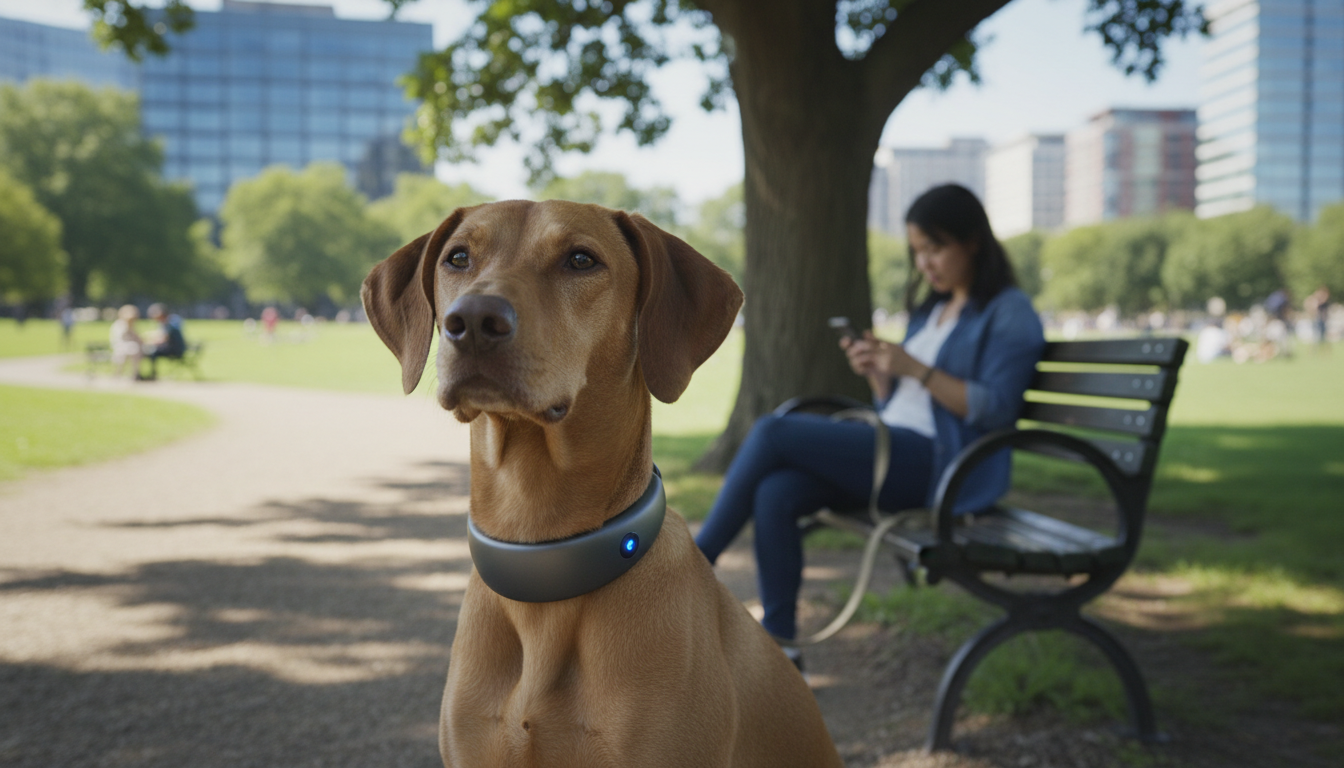
Every dog owner dreads the thought of their pet going missing. Whether your dog is an escape artist, a curious explorer, or you simply want the peace of mind that comes with knowing exactly where they are at all times, a GPS tracker designed for dogs can be an invaluable safety tool. But the latest generation of pet GPS trackers does far more than just pinpoint your dog's location. Many now include built-in health monitoring features that track activity levels, sleep quality, calorie burn, and even early warning signs of illness.
The convergence of GPS tracking and health monitoring in a single device means you can keep your dog safe while simultaneously gaining insights into their overall wellness. These devices connect to smartphone apps that provide daily activity reports, set fitness goals, and alert you to behavioral changes that might indicate a health issue. For active dogs, senior pets, or dogs recovering from surgery, this combination of safety and health data can be genuinely transformative.
In this review, we compare the top-rated dog GPS trackers that offer both reliable location tracking and meaningful health monitoring features. We evaluate GPS accuracy, health tracking capabilities, battery life, subscription costs, and overall value to help you find the best device for your dog's safety and wellbeing.
Why GPS Trackers with Health Features Matter
Traditional dog ID tags and microchips are important, but they have significant limitations. ID tags can fall off, and microchips only work when someone scans the dog at a vet clinic or shelter. Neither provides real-time location data. GPS trackers solve this problem by allowing you to see your dog's location on your phone in real time, set up safe zones with instant escape alerts, and track your dog's movements throughout the day.
The addition of health monitoring takes these devices to the next level. Activity tracking helps you ensure your dog is getting enough exercise, which is critical for weight management and overall health. Sleep monitoring can reveal patterns that indicate pain, anxiety, or illness. Some advanced devices even track heart rate variability, respiratory rate, and scratching or licking behaviors that might signal allergies or skin conditions.
For a deeper dive into smart health devices beyond GPS trackers, explore our comprehensive Smart Health Devices guide. And if you are specifically interested in devices that monitor vital signs like heart rate, check out our review of smart collars that monitor your dog's heart rate.
Key Features to Evaluate
When choosing a GPS tracker with health monitoring for your dog, there are several important factors to consider beyond just the price tag:
- GPS Accuracy and Technology: Look for devices that use a combination of GPS, Wi-Fi, cellular (LTE), and Bluetooth for the most accurate and reliable tracking. Multi-technology approaches provide better coverage in both urban and rural environments and can pinpoint your dog's location more precisely.
- Health Monitoring Capabilities: Not all trackers offer the same health features. Basic models track steps and active minutes, while advanced devices monitor sleep quality, calorie expenditure, distance traveled, and behavioral patterns. Some premium options even include temperature monitoring and heart rate tracking.
- Battery Life: Battery life varies dramatically between devices, from a few days to several weeks. Consider how often you are willing to charge the device and whether your dog wears it 24/7. Devices with longer battery life typically sacrifice some tracking frequency or features.
- Durability and Water Resistance: Your dog's tracker will be exposed to rain, mud, swimming, and general rough handling. Look for devices rated at least IP67 for water and dust resistance. The housing should be durable enough to withstand active play without cracking or breaking.
- Monthly Subscription: Most GPS trackers require a monthly or annual subscription to cover cellular data costs for location transmission. Factor this ongoing cost into your total budget, as it can add up significantly over the life of the device.
- Size and Weight: The tracker should be appropriate for your dog's size. A device that is too heavy or bulky can be uncomfortable, especially for smaller breeds. Most manufacturers provide weight recommendations for their devices.
How We Evaluated GPS Trackers
We spent over 45 hours researching and comparing dog GPS trackers with health monitoring capabilities. Our evaluation process included analyzing GPS accuracy through user reports and independent testing data, reviewing the depth and usefulness of health tracking features in companion apps, comparing battery life under real-world conditions, reading hundreds of verified customer reviews, and calculating the total cost of ownership including hardware and subscription fees over a two-year period.
We prioritized devices from established brands with reliable cellular coverage, responsive customer support, and a proven track record of firmware updates and app improvements. Devices with poor GPS accuracy, unreliable connectivity, or apps that frequently crash were excluded from our final recommendations.
Top Dog GPS Trackers Compared
The following table summarizes the key specifications of our top-rated GPS trackers with health monitoring for dogs. Prices listed are for the hardware only; monthly subscription costs are shown separately. All devices are compatible with both iOS and Android smartphones.
| Device | GPS Type | Health Features | Battery Life | Monthly Sub | Price |
|---|---|---|---|---|---|
| Fi Series 3 | GPS + LTE + Wi-Fi + BT | Activity, sleep, steps, calories | Up to 3 months | $8/mo (annual) | $149 |
| Whistle GO Explore | GPS + LTE + Wi-Fi | Activity, sleep, licking, scratching, calories | Up to 20 days | $10/mo (annual) | $130 |
| FitBark GPS | GPS + LTE + Wi-Fi + BT | Activity, sleep, HRV, distance | Up to 14 days | $10/mo (annual) | $100 |
| Tractive GPS | GPS + LTE | Activity, wellness score, calories | Up to 7 days | $5/mo (annual) | $50 |
| Apple AirTag | Bluetooth + UWB (crowd-sourced) | None | Up to 1 year | Free | $29 |
Detailed Device Reviews
Fi Series 3
The Fi Series 3 is widely regarded as one of the best all-around GPS trackers for dogs, and its extraordinary battery life sets it apart from the competition. Under normal conditions, the Fi can last up to three months on a single charge, which is dramatically longer than any other GPS tracker on the market. This is achieved through an intelligent power management system that uses Bluetooth and Wi-Fi for location when your dog is at home or in familiar areas, reserving power-hungry GPS and LTE connectivity for when it truly matters.
On the health monitoring side, Fi tracks daily steps, active minutes, distance traveled, sleep duration, and estimated calorie burn. The companion app presents this data in clean, easy-to-understand dashboards and lets you set daily activity goals for your dog. You can also compare your dog's activity levels to breed averages, which is a helpful benchmark for ensuring your pet is getting adequate exercise.
The Fi collar comes in several sizes and colors, and the tracker module snaps securely into a dedicated collar band. It is rated IP68 for water and dust resistance, meaning it can handle swimming and rain without issue. The main drawback is the subscription cost, which runs $8 per month on an annual plan or $12 month-to-month. However, given the outstanding battery life and reliable tracking, most owners consider it excellent value.
Whistle GO Explore
Whistle has been in the pet tracking business longer than most competitors, and the GO Explore represents their most comprehensive device to date. What sets Whistle apart is the depth of their health monitoring. In addition to standard activity and sleep tracking, the GO Explore uses onboard sensors to detect and log scratching, licking, and drinking behaviors. These behavioral insights can be early indicators of allergies, skin conditions, or stress, giving you actionable health data that most other trackers cannot provide.
GPS tracking is accurate and reliable, using a combination of GPS, LTE, and Wi-Fi for multi-layered positioning. The app sends instant notifications when your dog leaves a designated safe zone and provides real-time location updates during tracking mode. Battery life tops out at around 20 days, which is respectable though far short of the Fi's marathon endurance.
The device attaches to any standard collar using a secure clip mount, making it versatile and easy to move between collars. At $130 for the hardware and $10 per month for the subscription, the total cost of ownership is slightly higher than the Fi, but the superior health monitoring features justify the premium for owners who want deeper wellness insights.
FitBark GPS
FitBark began as a dedicated pet activity monitor and has since added GPS capabilities to their product line. The FitBark GPS tracker stands out for its heart rate variability (HRV) monitoring, a feature that is uncommon in pet trackers at this price point. HRV data can provide insights into your dog's stress levels, recovery status, and overall cardiovascular health, making it particularly valuable for athletic dogs, senior pets, or dogs with known heart conditions.
The device is one of the smallest and lightest GPS trackers available, weighing just over half an ounce. This makes it suitable for dogs as small as 10 pounds without causing discomfort. Activity tracking is detailed and includes play time, active minutes, rest, and distance covered. The app also provides a daily health score based on activity patterns compared to your dog's baseline.
Battery life averages about 14 days with GPS enabled, and the device charges quickly via a magnetic charging cradle. At $100 for hardware and $10 per month for the subscription, FitBark offers a strong balance of health monitoring depth and affordability.
Tractive GPS
Tractive is the go-to budget option for dog GPS tracking, and their latest model delivers surprisingly capable performance at a fraction of the cost of premium competitors. At just $50 for the hardware and $5 per month for the subscription (on an annual plan), Tractive offers the lowest total cost of ownership of any true GPS tracker on this list.
GPS tracking is reliable and uses GPS and LTE connectivity for real-time location updates. The app supports safe zone alerts, location history, and live tracking mode. Health monitoring is more basic than premium competitors, offering activity tracking, a daily wellness score, and calorie estimates, but these features are well-implemented and provide useful insights for most dog owners.
The main trade-off for the lower price is battery life. At around seven days under typical use, you will need to charge the Tractive tracker more frequently than competitors. The device is also somewhat bulkier than the Fi or FitBark, which may be a consideration for smaller dogs. However, for owners who want reliable GPS tracking and basic health monitoring without a significant financial commitment, Tractive is hard to beat.
Apple AirTag
We include the Apple AirTag in this comparison because it is one of the most commonly discussed options for pet tracking, but it is important to understand its significant limitations. The AirTag does not have built-in GPS. Instead, it relies on Bluetooth signals picked up by nearby Apple devices in the vast Find My network to approximate its location. This means it works well in urban areas where many iPhones are nearby, but can be unreliable in rural or less populated areas.
The AirTag offers zero health monitoring features and provides no activity or wellness data. It also has no safe zone alerts, no real-time tracking, and no companion app with pet-specific features. What it does offer is an incredibly low price ($29, no subscription), a year-long battery life, and decent location tracking in populated areas.
For budget-conscious owners who live in urban areas and primarily want a safety backup rather than comprehensive tracking and health monitoring, an AirTag in a durable pet collar holder can be a reasonable option. But for anything beyond basic location finding, a dedicated pet GPS tracker is the better investment.
Understanding Subscription Costs
One of the most important factors when choosing a GPS tracker is the ongoing subscription cost. Unlike fitness trackers for humans, pet GPS trackers require cellular connectivity to transmit location data, and this comes with a monthly or annual fee. Over a two-year period, subscription costs can easily exceed the initial hardware price.
Here is how the total two-year cost of ownership breaks down for each device: Tractive comes in lowest at approximately $170 total ($50 hardware plus $120 in subscriptions). FitBark totals around $340 ($100 plus $240). The Fi Series 3 runs about $341 ($149 plus $192). Whistle GO Explore totals roughly $370 ($130 plus $240). The Apple AirTag remains the cheapest at $29 total with no subscription, but offers no health features and limited tracking capability.
Most brands offer discounted rates for annual or multi-year plans compared to month-to-month billing. If you plan to use the tracker long-term, committing to an annual plan typically saves 20 to 40 percent on subscription costs.
Consider pairing your GPS tracker with a pet insurance plan that covers accidents and emergencies. If your dog does escape and gets injured, having insurance can save you thousands in unexpected veterinary bills. Check out our Pet Insurance guide for detailed comparisons.
GPS Tracker Limitations to Keep in Mind
While GPS trackers are powerful tools for pet safety and health monitoring, they do have limitations that are important to understand. GPS accuracy can vary based on environmental factors like tree cover, tall buildings, and weather conditions. Most trackers are accurate to within about 10 to 30 feet under ideal conditions, but accuracy can decrease in heavily wooded areas or dense urban environments.
Battery life claims from manufacturers are typically based on ideal conditions. Real-world battery life depends on how often the tracker pings for location updates, whether your dog is in a known Wi-Fi zone versus relying on GPS, and the strength of cellular signal in your area. Dogs that spend a lot of time outdoors or in areas with poor cellular coverage will drain batteries faster.
Health monitoring on GPS trackers is also less sophisticated than dedicated veterinary monitoring equipment. The activity and sleep data these devices provide is useful for tracking trends and identifying changes, but it should not be used as a substitute for regular veterinary checkups. If you notice concerning patterns in your dog's health data, always consult your veterinarian for proper evaluation.
Our Final Recommendation
For most dog owners seeking the best combination of GPS tracking and health monitoring, the Fi Series 3 and Whistle GO Explore are the top two choices. The Fi wins on battery life and overall reliability, while the Whistle excels in health monitoring depth with its unique behavioral tracking capabilities. If budget is your primary concern, the Tractive GPS offers excellent core functionality at a significantly lower price point.
Whatever device you choose, pairing a GPS tracker with consistent training, secure fencing, and proper identification (collar tags and microchip) creates the most comprehensive safety net for your dog. Technology is a powerful supplement to good practices, not a replacement for them.
For more on how smart technology can support your dog's health, browse our complete Smart Health Devices guide. If you want to explore devices that go deeper into vital sign monitoring, our article on smart collars that monitor heart rate covers the latest in wearable health tech for dogs. And to protect against unexpected veterinary costs, make sure to review our Pet Insurance comparisons.